
Evergreen Fund vs. Syndication: The Structural Difference Behind How DBL Capital Invests Your Capital
Investors new to private real estate often use "fund" and "syndication" interchangeably. They're not the same vehicle, and the difference isn't academic — it changes how your capital is deployed, how concentrated your risk is, and what happens to your money after the first deal closes. DBL Capital is structured as an evergreen fund, not a syndication, and that choice shapes almost everything else about how we invest on behalf of accredited investors.
What a Single-Deal Syndication Actually Is
A syndication raises capital for one specific property. You review that property's underwriting, commit to that property's business plan, and your return depends entirely on how that one asset performs — its market, its exit timing, its sponsor's execution on that specific deal. When it sells or refinances, the syndication winds down and returns capital. If you want to stay invested, you go find the next deal, read a new set of projections, and sign a new subscription agreement. Every allocation is a fresh decision.
What "Evergreen" Means in a Fund Structure
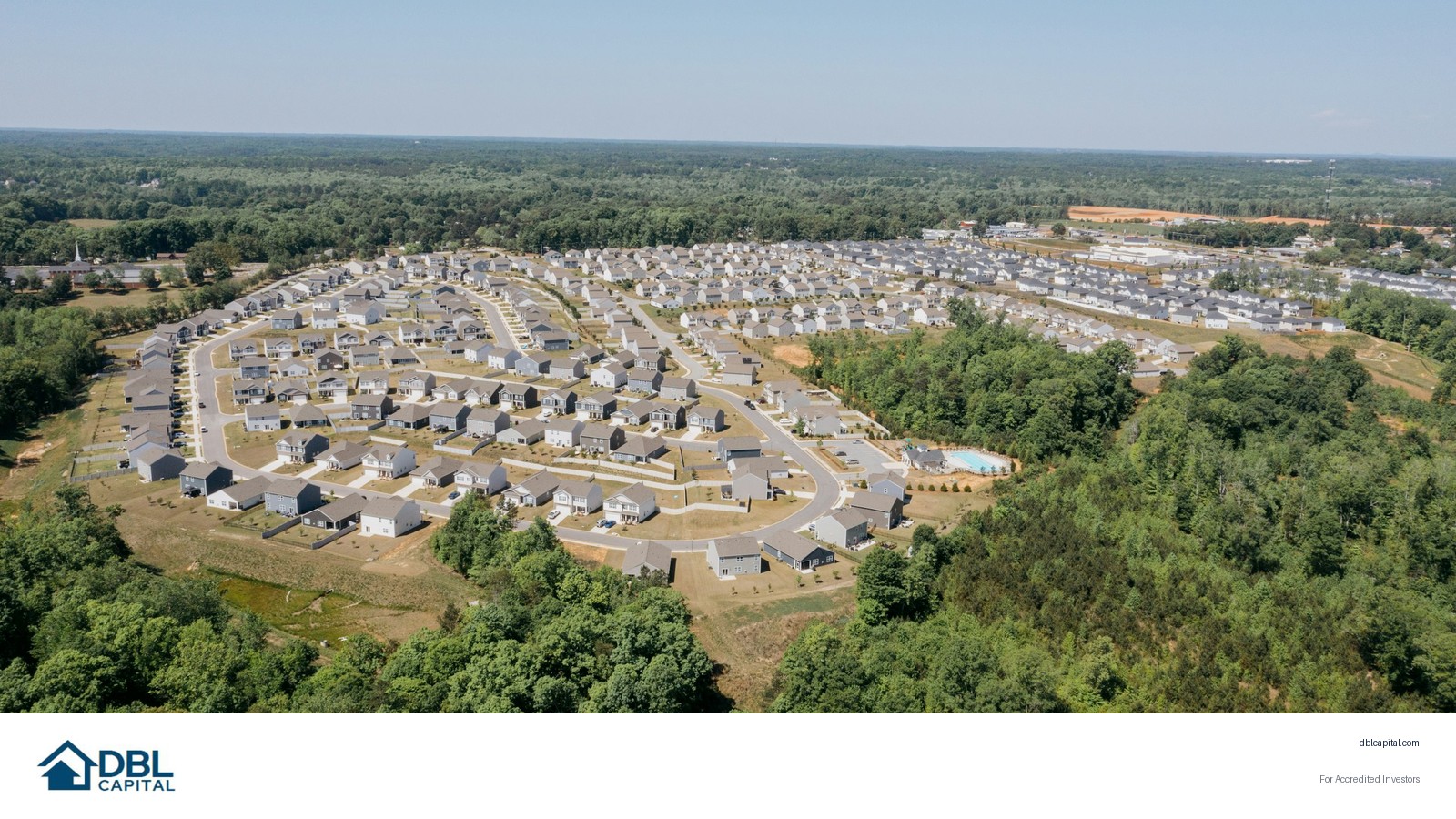
An evergreen fund has no fixed termination date tied to a single asset. Capital is raised into a continuously operating vehicle that acquires workforce housing properties on an ongoing basis, not a single pre-identified deal. New acquisitions are added as the fund grows; mature assets are sold or refinanced on their own schedule and that capital is generally redeployed into the next acquisition rather than being forced out the door on one property's timeline. You make one commitment to a strategy and a manager, not a transaction-by-transaction bet on one address.
Diversification: One Deal vs. a Portfolio
This is the practical difference that matters most for risk. In a syndication, a construction delay, a soft submarket, or a slow lease-up at that one property is your entire outcome. In an evergreen fund, the same event affects one position inside a broader portfolio of workforce housing assets across Southwest Florida. No individual acquisition carries the fund. That's not a promise of smoother returns — real estate still carries real risk — but it is a structural difference between "all of my capital in one outcome" and "my capital spread across a growing book of properties with one underwriting discipline applied to all of them."
Liquidity and Capital Recycling
Syndications are built around a single hold-and-exit event: close, operate, sell, done. An evergreen fund's structure allows for ongoing capital recycling — proceeds from a mature property can be redeployed into new acquisitions rather than simply returned, and the fund can offer a periodic redemption mechanism rather than locking every dollar to one property's exact sale date. That doesn't mean capital is liquid on demand; it means liquidity is designed around the fund's calendar, not around any single deal's closing table.
What It Means for Your K-1 and Your Relationship With the Sponsor
Every new syndication deal typically means a new entity, a new subscription, and a new K-1 to track come tax season. As a DBL Capital investor, you hold one position with one sponsor relationship, reporting through one fund-level K-1 each year — with depreciation from newly constructed workforce housing properties flowing through that single schedule rather than being split across multiple deal-specific entities. For high-income W-2 professionals who want real estate's tax treatment without the administrative sprawl of tracking several separate syndications, that consolidation is itself a benefit.
Both structures can be legitimate ways to access private real estate. The question is whether you want to underwrite every individual property yourself, deal after deal, or make one allocation decision to a manager and a strategy, then let a continuously operating fund do the deal-by-deal work. If the second one sounds closer to how you'd rather build exposure to workforce housing, we'd welcome the conversation. Book a call with our investor relations team to see whether DBL Capital's evergreen structure fits your portfolio.


